
Insights
Stump Removal: Grinding, Digging, or Leaving It to Rot
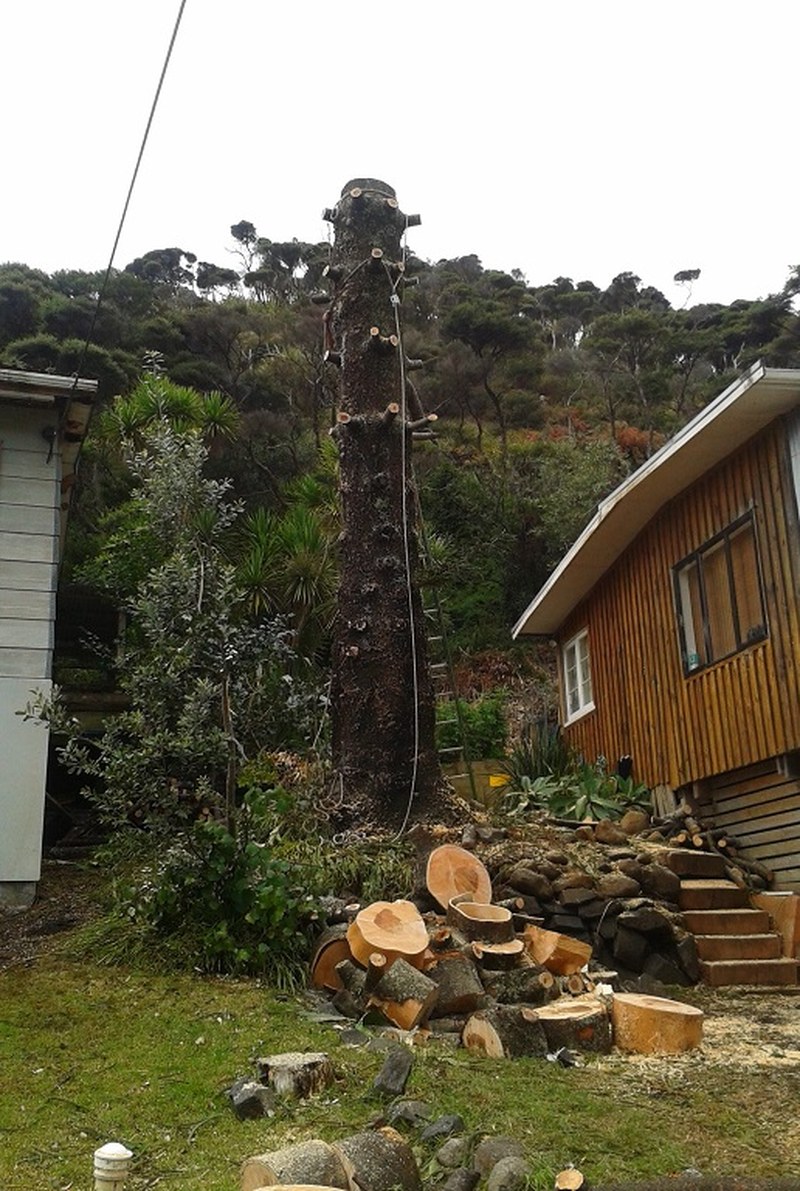
Once a tree comes down you're left with the stump, and people are often surprised it isn't automatically part of the removal. Getting rid of a stump is a separate job, and there are a few ways to go about it. Here's how they stack up.
Stump grinding is the most common method and usually the most practical. A grinder is a machine with a spinning wheel of carbide teeth that chews the stump down into chips, typically to around 150 to 300mm below ground level. It's fast, it doesn't tear up your whole lawn, and you're left with a hole full of chip that you can fill with soil and turf over. Grinding is the right choice for most home sections, especially where the stump is near a path, fence, or building.
Digging or pulling the stump out gets rid of the whole root ball, but it's heavy work. It usually means an excavator, a big hole, and a fair bit of damage to the surrounding ground. The upside is the spot is completely clear, which matters if you're putting in foundations, a pool, or a driveway where you can't have old roots in the way. The downside is cost and mess, so it's overkill for a simple replant or relawn.
Leaving the stump to rot naturally is the cheapest option because you do nothing. The catch is it's slow, often several years depending on the species and how wet the site is. A rotting stump can also attract borer and fungi, and it's an eyesore and a trip hazard in the meantime. Some people speed it up by drilling holes and adding a stump killer, but even then you're looking at a long wait.
A common question is whether you can plant a new tree where the old one stood. You can, but grinding leaves a lot of woody chip in the ground, and as it breaks down it ties up nitrogen and can leave the soil hungry. If you want to replant in the same spot, ask for the stump to be ground deeper and the chip cleared out, then backfill with good topsoil and compost.
Watch out for one thing before any grinding starts: services. Power, water, gas, and irrigation lines can run right past a stump, and hitting one is dangerous and expensive. A reputable operator will check the area first and locate any services before the teeth go in.
If you're not sure which approach suits your situation, tell us what you want the space for and we'll point you to the most sensible option rather than the most expensive one.